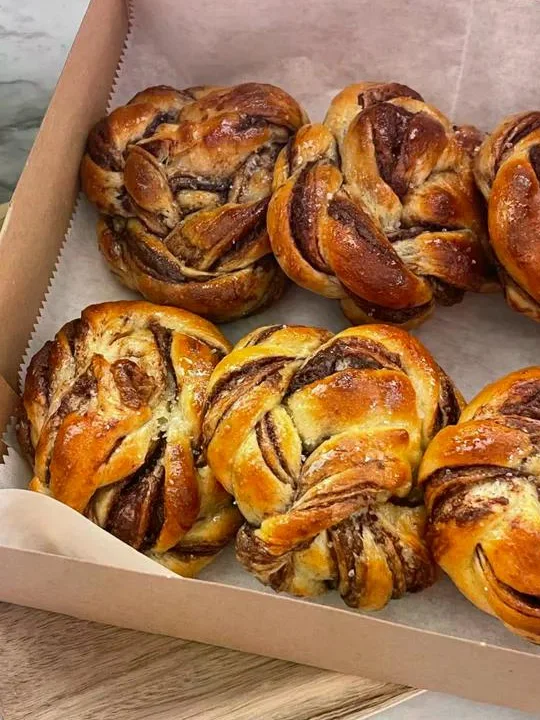
Artisanal Sourdough Craftsmanship
At Dough-Re-Mi, we don't believe in shortcuts. We believe in time, patience, and doing things the way God intended, long before food became something rushed and over-processed.
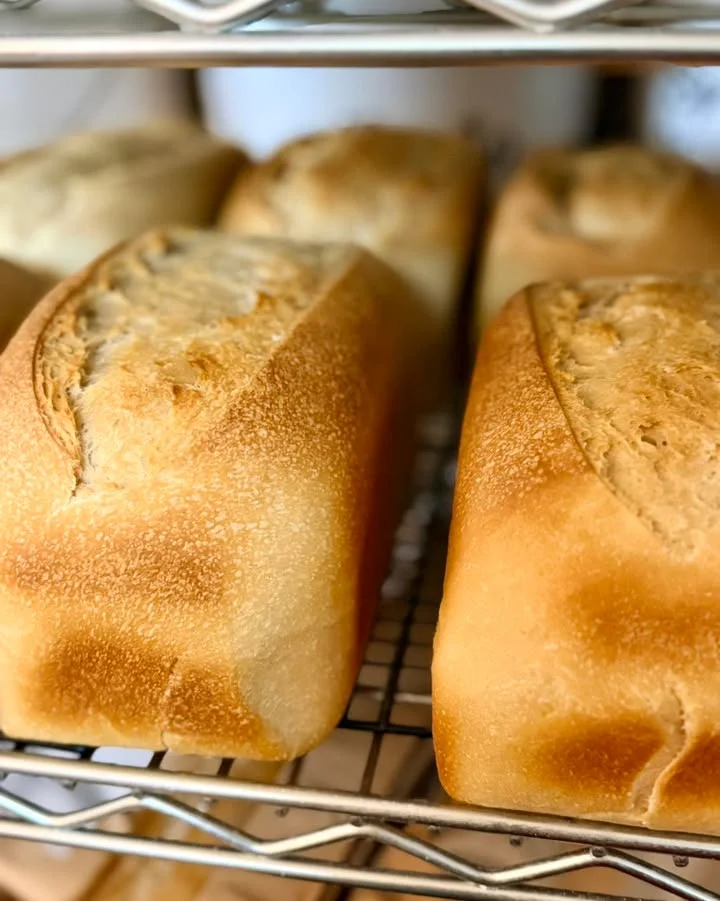
Traditional Methods
Our sourdough begins with a living starter that dates back to the 1800's and is fed, maintained, and cared for daily, just like our ancestors did it. This natural leaven replaces commercial yeast and allows fermentation to happen slowly, the way it was always meant to happen.
A living starter responds to it's environment, the seasons, and the hands that tend it - making every bake a little different, and every loaf deeply intentional.
Traditional bread relies on time, not additives. We allow our dough to ferment slowly, giving beneficial bacteria the space to do their work - developing flavor, improving texture, and increasing nutrient availability
This isn't an extra step. It's the foundation of everything we do.
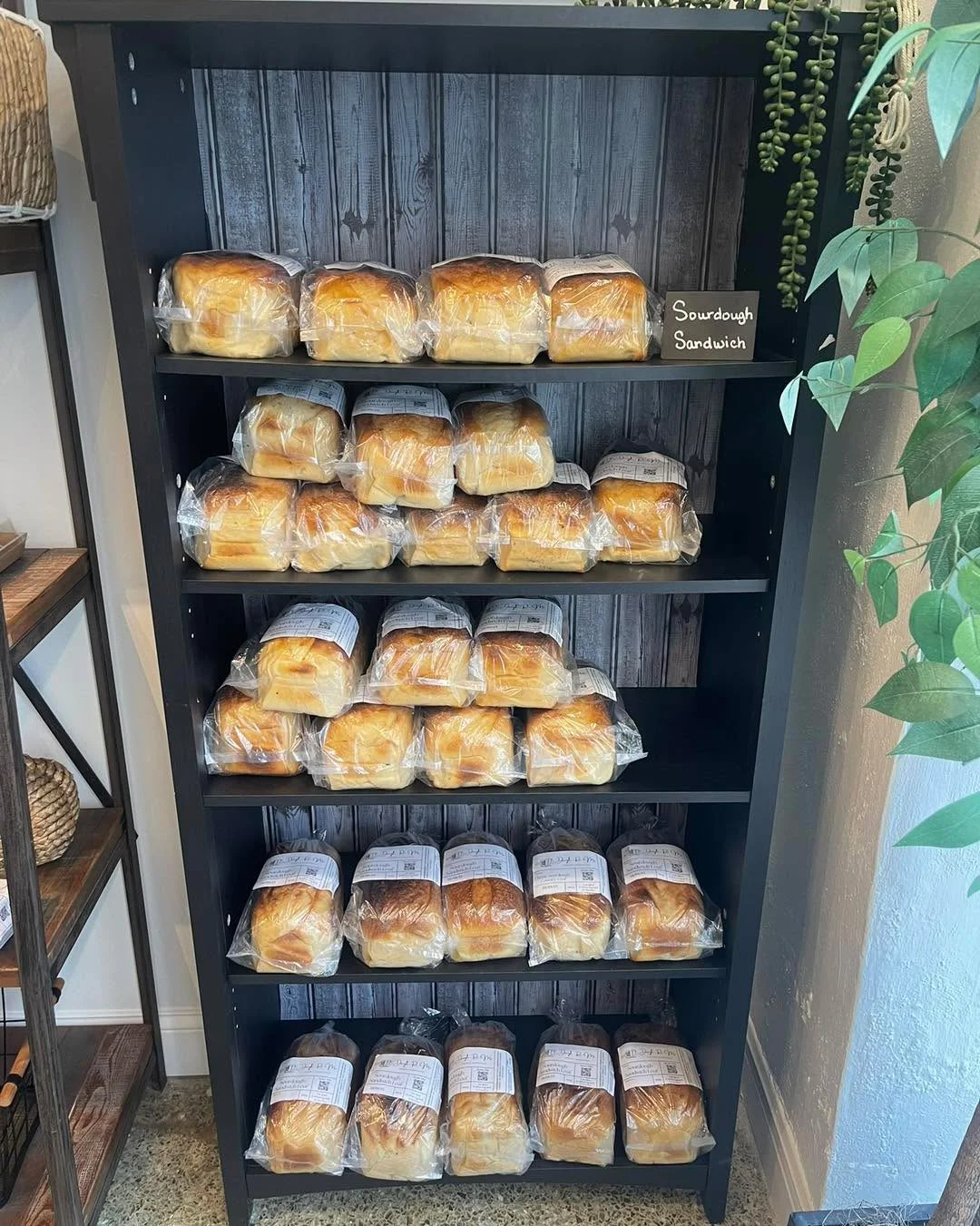

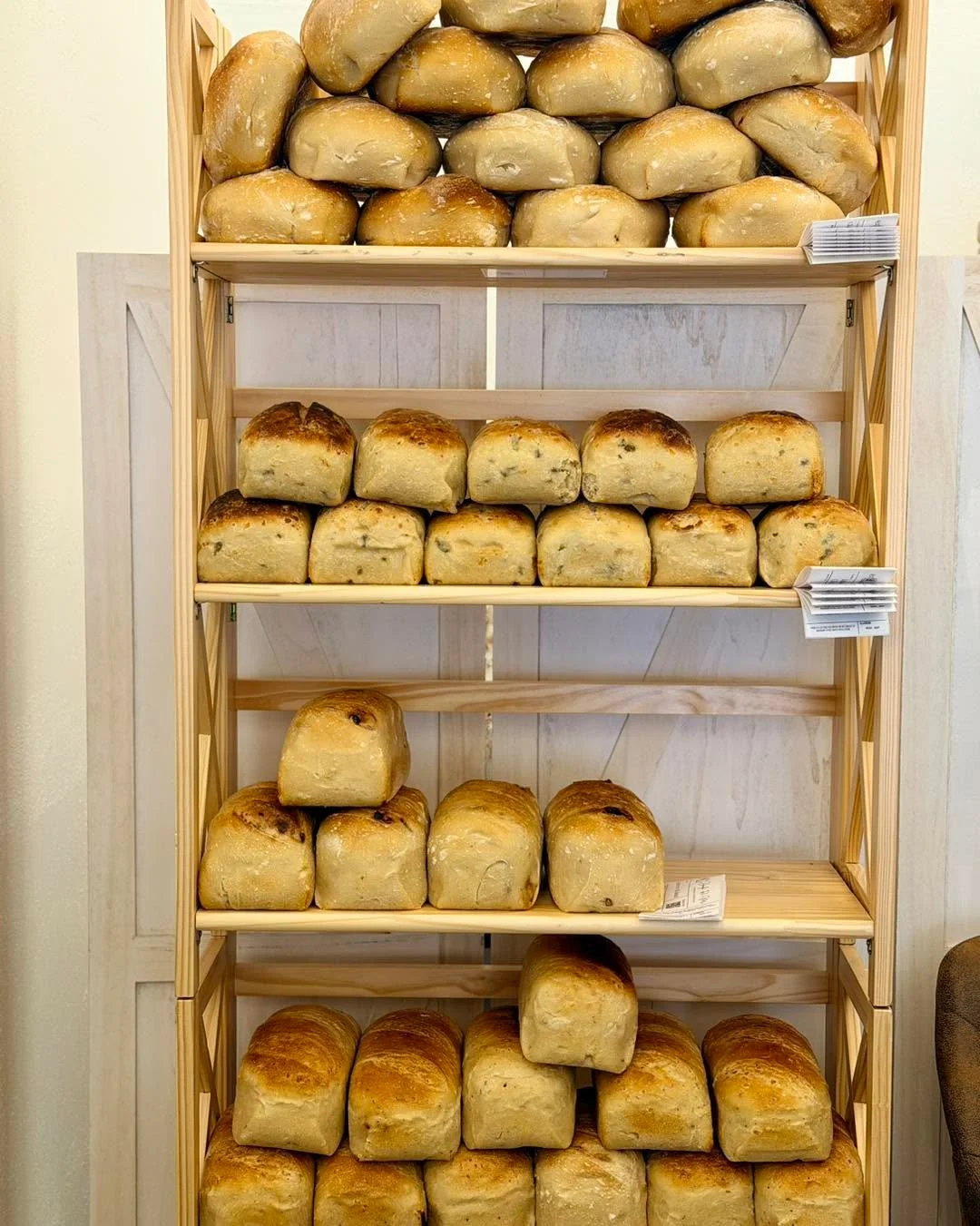
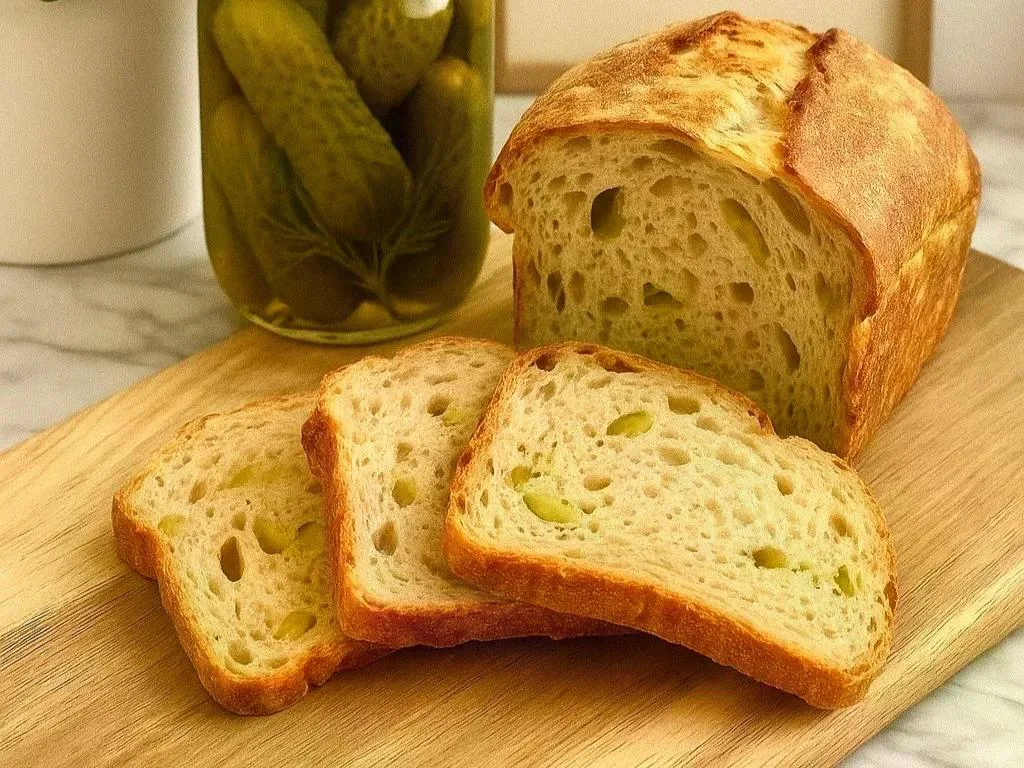
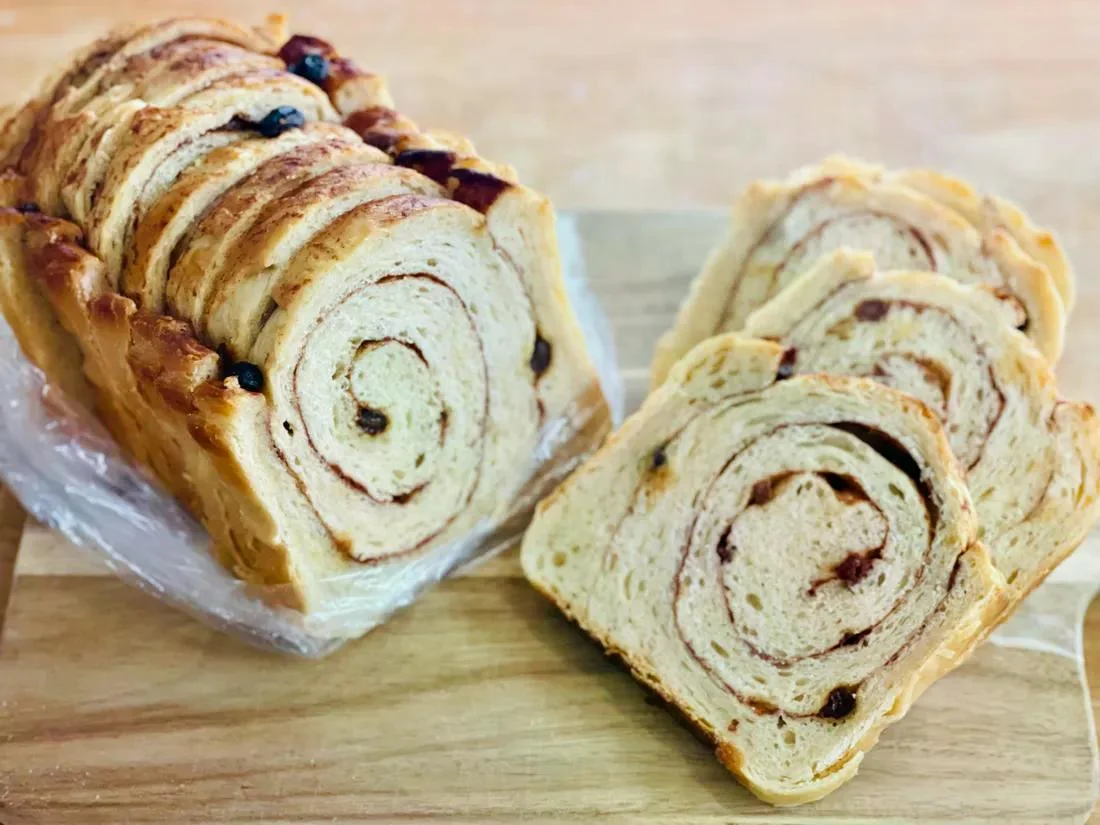
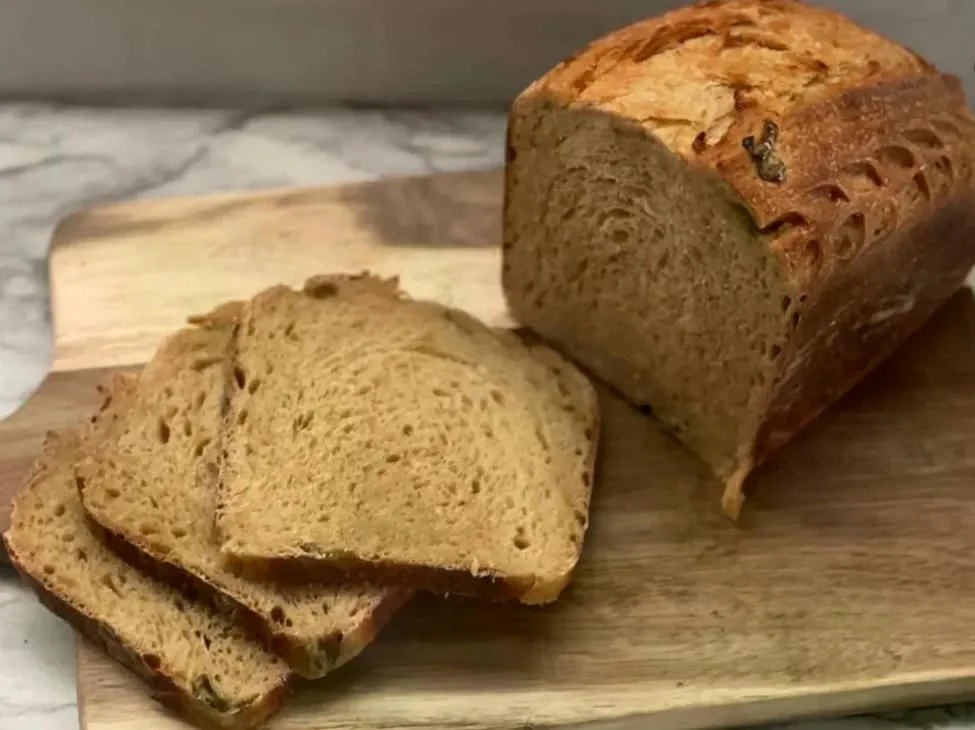
Methods that Heal, Not Harm
Modern bread is often fortified with synthetic vitamins and altered with dough conditioners to speed up production and extend shelf life. While these additives may look beneficial on a label, they can be difficult for the body to recognize and process, sometimes placing extra strain on digestion rather than providing true nourishment.
Traditional bread-making methods rely on fermentation instead of fortification. Slow fermentation helps break down gluten and phytic acid, making nutrients bioavailable and more accessible, and thus bread is then easier for many people to enjoy.
It's not about restriction. It's about restoration and healing. Healing doesn't come from adding more - it comes from taking unnecessary things away.
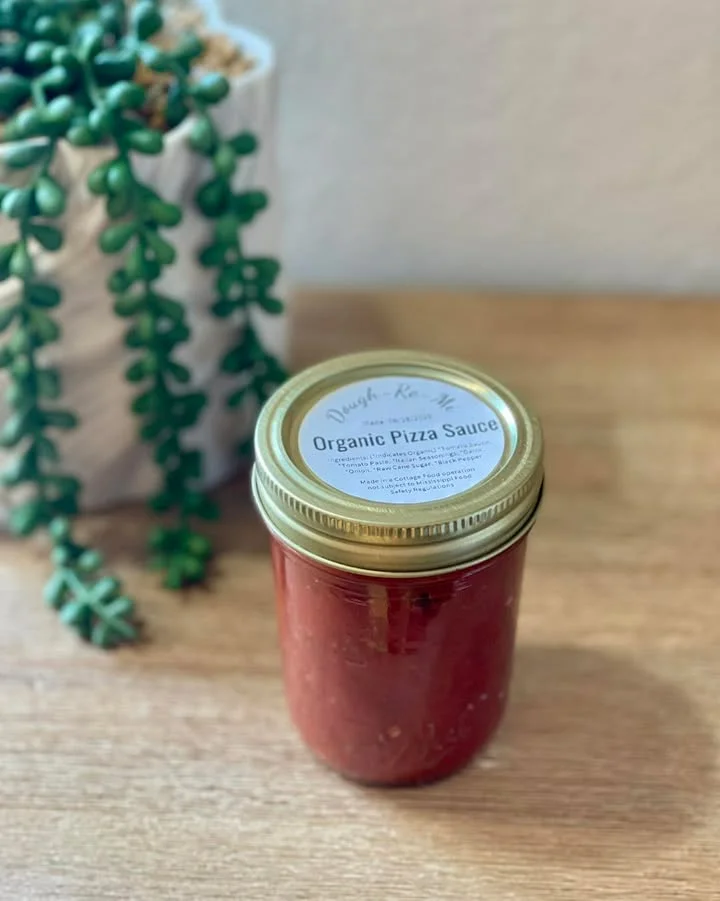
Natural Leavened Never Rushed
Our bread begins with a living sourdough starter, not commercial yeast. This slow, natural fermentation allows the dough to rise at its own pace, developing flavor while also breaking down complex proteins and sugars.
Time does the work here - not additives or enhancers.
This process creates bread that is more flavorful, more nourishing, and easier for the body to digest.
Organic, Thoughtfully Chosen Ingredients
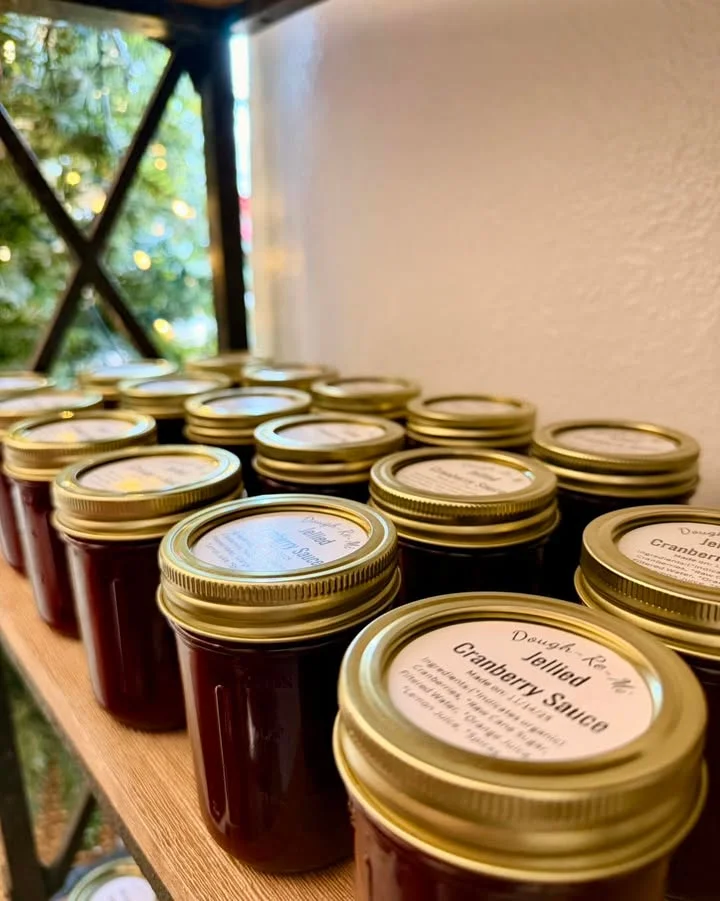
Our ingredient lists are short and intentional. We only use organic grains (free from pesticides, chemicals, bleaches, and synthetic additives), real butter, natural organic sweeteners like raw cane sugar and unfiltered honey, and clean, recognizable ingredients you can feel good about feeding your family. No shampoo bottle ingredient lists here!
If an ingredient doesn't serve a purpose, it doesn't belong in our bread.
Small Batch Care
We give our dough the gift of time. During this slow fermentation, beneficial bacteria work to unlock nutrients, improe texture, and create the signature flavor and structure of true sourdough. No potato flake shortcuts here - just flour, water, salt and time.
Good bread doesn't need to be rushed. It needs to rest. This isn't just bread. It's bread made to nourish, to sustain, and to bring people back to the table.
Every loaf represents a choice - to slow down, to honor tradition, and to trust that real food made with care is always worth the wait.
Quality You Can Taste
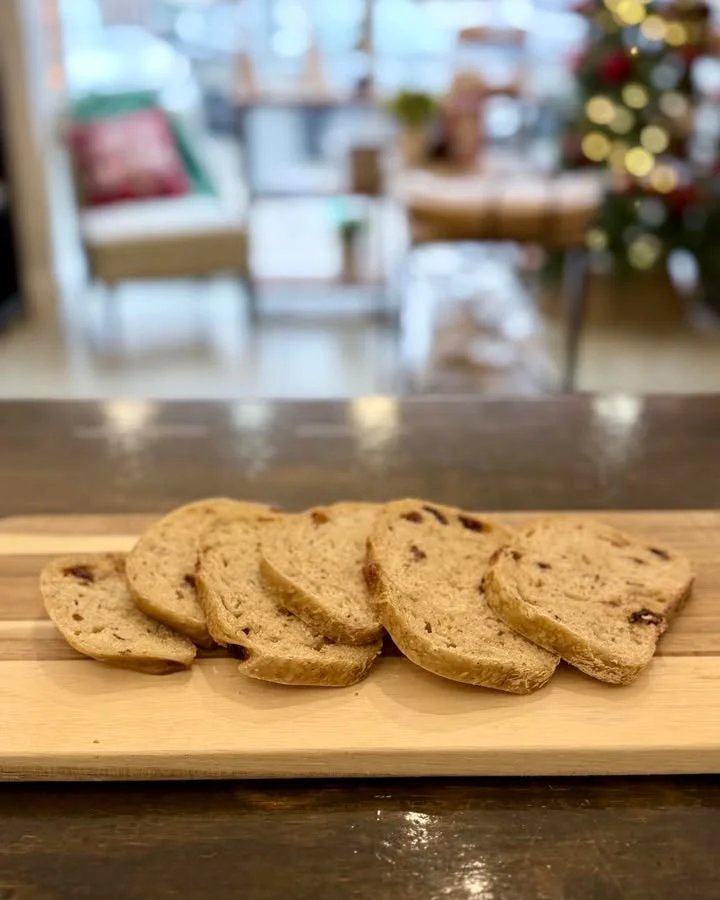
Quality isn't loud. You notie it in the first slice, the aroma when the loaf is torn open, and the way the crumb holds together without being dry.
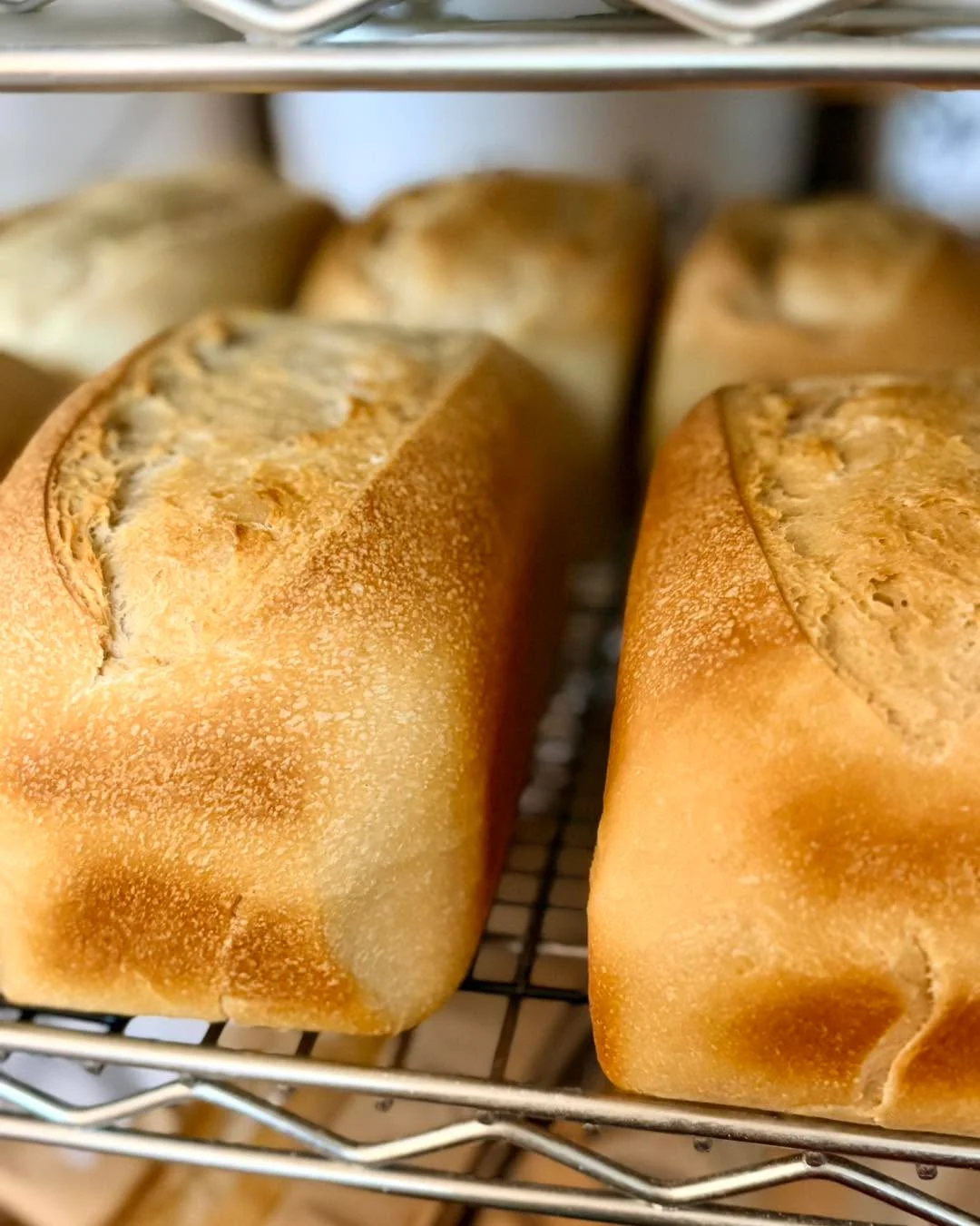
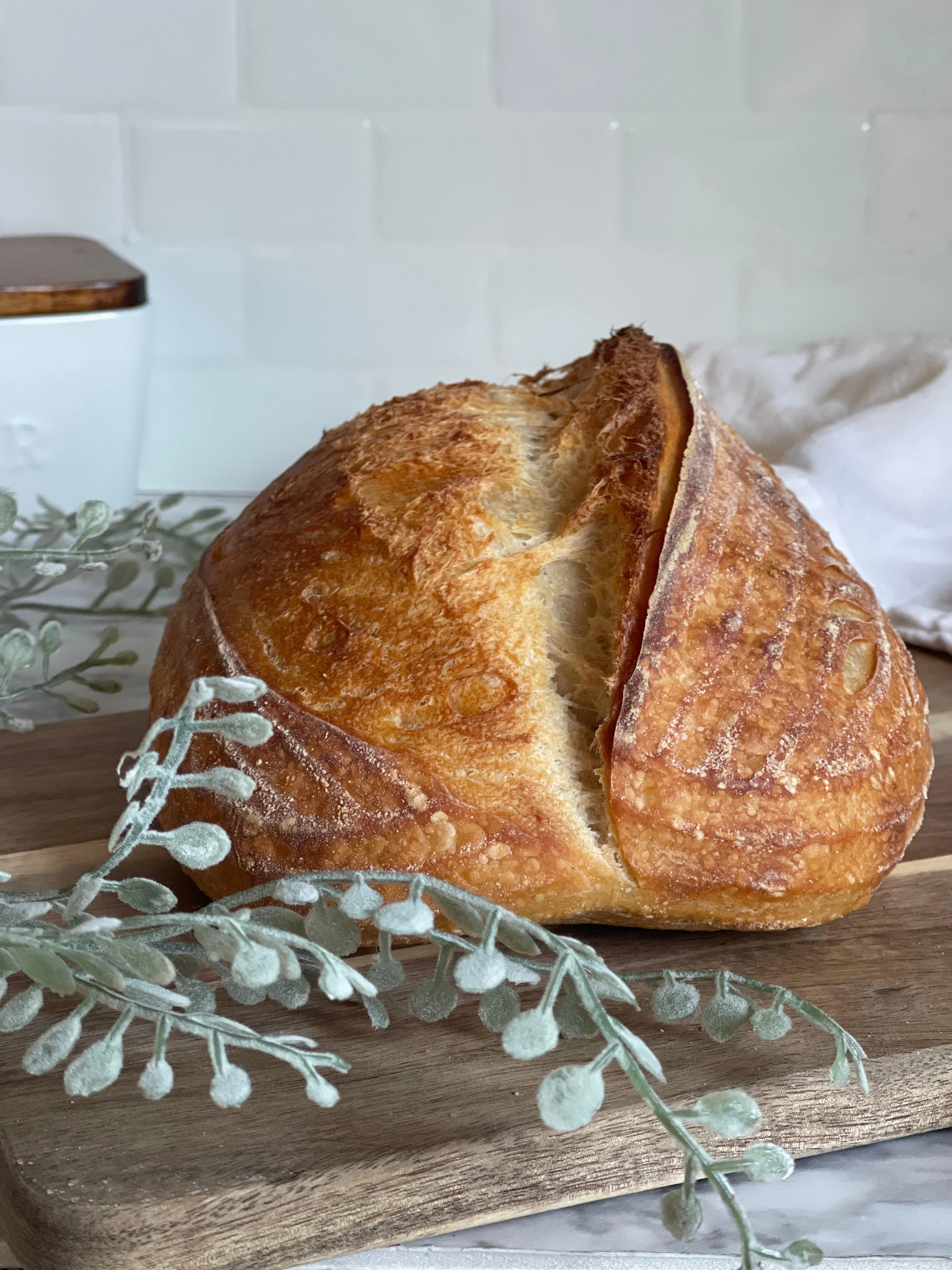
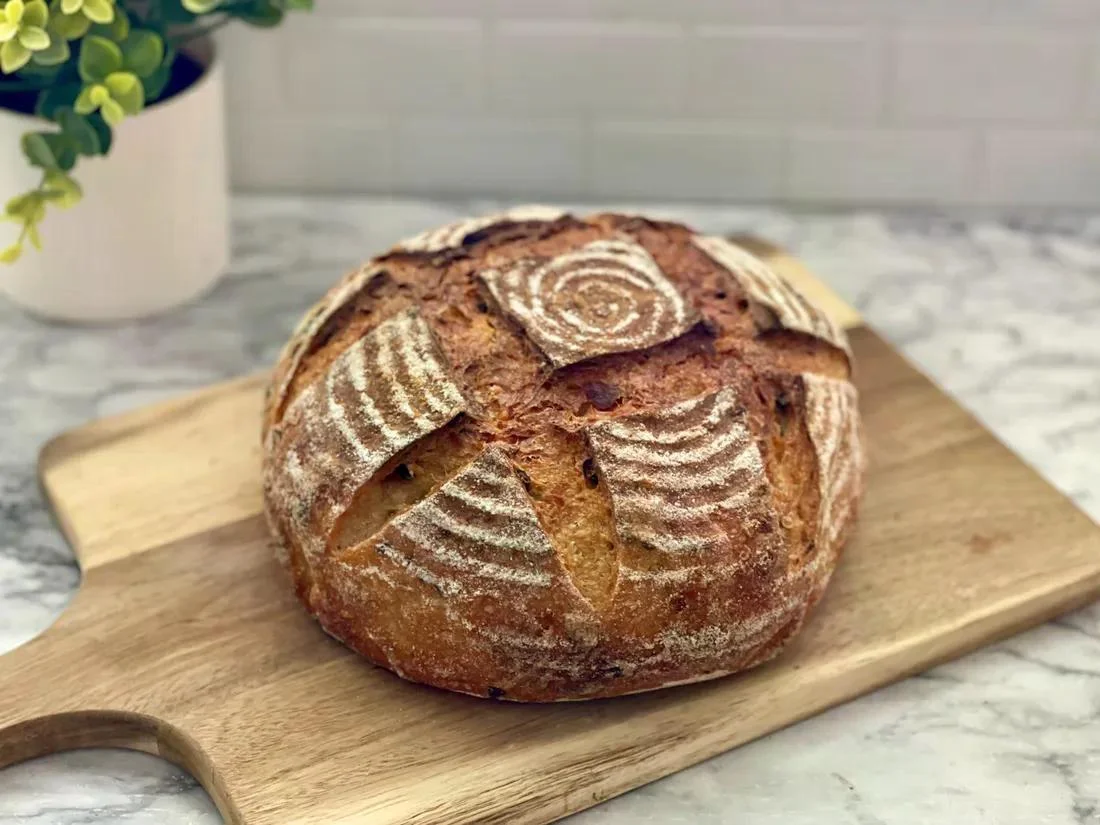
Because our bread is made slowly and in small batches, flavor has time to develop naturally. Fermentation deepens complexity, careful shaping creates structure, and proper baking brings balance between crust and crumb. Nothing is masked. Nothing needs to be.
You can taste the difference when dough hasn't been rushed, when ingredients are clean, and when every step is done with intention. The result is bread that's flavorful and nourishing without being complicated.
This is the kind of quality that doesn't need explanation - your body recognizes it immediately.

